
Florence
A practical guide to what to do in Florence
From the menu below choose a category
Florence: The Quiet Majesty Behind the Masterpieces
Cradled by the Tuscan hills and shaped by centuries of art, politics, and passion, Florence often dazzles at first glance. Its Renaissance treasures—the Duomo, Uffizi, and Ponte Vecchio—draw crowds from every corner of the globe. But to truly know Florence, one must look beyond the marbled façades and into its silent chapels, artisan workshops, and timeworn alleys. This is a city that speaks in hushed tones, revealing its soul to those who pause, listen, and wander off the beaten path.
Historic Depths: Where Time Holds Its Breath
Florence wears its history proudly, yet some of its oldest stories lie quietly in the shadows. Beneath the Santa Reparata crypt in the Duomo complex, layers of ancient Florence emerge—fragments of Roman mosaics and early Christian altars preserved beneath the grand cathedral above. These ruins, silent and sacred, mark the city's transformation from outpost to capital of creativity.
Tucked away near San Lorenzo, the Medici Chapels are often passed by in favor of larger sites, yet they hold within them the New Sacristy—Michelangelo’s hauntingly beautiful tomb sculptures, where allegories of Day and Night, Dawn and Dusk whisper eternal truths beneath the marble gaze of dukes.
Living Artistry: Florence Beyond the Frame
The Uffizi and Accademia may guard the city’s most famous masterpieces, but Florence’s living artistry still thrives in its backstreets. In the Oltrarno district, beyond the river, artisans craft leather goods, engravings, and gold leaf just as their ancestors did during the Renaissance. Peek into the open doors of workshops along Via Maggio or Via dei Serragli, and you’ll find creativity not on display, but in process.
One such treasure is the Stibbert Museum, perched on a quiet hillside. Its eclectic collection of armor, costumes, and decorative arts feels like a forgotten chapter from a fairytale. Few tourists venture here, but those who do are rewarded with a glimpse into one man’s obsession—and a reminder that collecting, too, can be a form of art.
Neighborhoods: Soulful Pockets of the City
Florence is compact, yet its neighborhoods contain entire worlds. San Niccolò, nestled at the foot of Piazzale Michelangelo, feels like a hidden village. Its vine-draped streets hum with local life—artists chatting over espresso, dogs napping in the sun, and trattorias where the food is simple, soulful, and fiercely Florentine.
Further north, Le Cure offers an unpolished, authentic vibe far from the crowds. Morning markets, family-run bakeries, and the rhythm of real life paint a picture of Florence untouched by tourism. Here, you’ll find the kind of slow beauty that reveals itself not in monuments, but in moments.
Nature and Quiet Retreats
Florence may be famed for stone and sculpture, but its green sanctuaries offer a softer side. The Bardini Gardens, just a short walk from the city center, offer sweeping views of the Arno and a floral haven of wisteria tunnels, lemon trees, and quiet benches. Unlike its more famous cousin, the Boboli Gardens, Bardini remains blissfully uncrowded.
For a true escape, follow the locals up to Fiesole, a hilltop town with Etruscan roots just minutes away by bus. Walk the Roman amphitheater, sit in silence at the monastery of San Francesco, and let the panorama of Florence unfold beneath you, reminding you that sometimes the best view is the one from afar.
Flavors of Florence: Simple, Seasonal, Sublime
Florentine cuisine is a study in restraint—few ingredients, bold flavor, and deep tradition. But skip the tourist-filled trattorias and head for places like Trattoria Cammillo or Da Burde, where bistecca alla fiorentina is served with reverence, and pappa al pomodoro carries the taste of centuries.
For a true insider experience, visit Sant’Ambrogio Market, where locals shop for pecorino, wild boar sausage, and just-picked vegetables. At Semel, a tiny panini shop tucked beside the market, the sandwiches are unexpected and exquisite—wild duck with orange, anchovies with fennel—each a small tribute to Tuscan culinary creativity.
Don’t leave without sipping vin santo with cantucci in a neighborhood enoteca. It’s not just dessert—it’s a ritual.
Conclusion: Florence, Slowly Revealed
Florence doesn’t need to shout. Its power lies in its quiet confidence—in a candle flickering in a side chapel, the chisel marks on a centuries-old sculpture, the scent of fresh leather and morning espresso drifting through a sunlit piazza. Behind the grand architecture and famous names lies a city deeply human, deeply poetic.
To truly feel Florence is to walk without a map, follow the bell towers, linger in the shadows, and let the city unfold like the pages of an ancient manuscript—slowly, beautifully, and with timeless grace. For those willing to go beyond the obvious, Florence offers not just art, but soul.
Top things to see and do in Florence
Check out our recommendation to top things not to miss when visiting Florence



Top museums in Florence
Check out our recommendations
Top hotels in Florence
Check out our recommendations below
Breweries in Florence
Check out our recommendations


Roof-top bars in Florence
Check out our recommendations

Jazz clubs in Florence
Check out our recommendatios below
Night clubs of Florence
Check out our recommendations
Top restaurants in Florence
Check out our recommendations








Top cafés in Florence
Check out our recommendations

Practical information
Florence with a dog
Bus Line 210:
- Schedule: The bus runs every 30 minutes on weekdays and every hour on weekends and public holidays, from early morning until late evening.
- Duration: The journey to Gdańsk Główny (main railway station) takes about 45 minutes.
- Cost: Approximately 4.80 PLN (€1.10). Tickets can be bought from vending machines at the bus stop or from the driver, and both cash and card payments are accepted.
- Details: The bus stop is located just in front of the terminal, about 50 meters away. There is a ticket vending machine at the bus stop. You can also buy tickets using an Android app or directly from the driver.
Night Bus N3:
- Schedule: Operates hourly at night, providing a connection to Gdańsk Wrzeszcz railway station.
- Details: This bus runs from 11:36 PM until 4:36 AM, catering to late arrivals.
- Schedule: Trains run every 30 minutes from 4:35 AM to 10:12 PM.
- Duration: The total journey takes about 40 minutes, including a change at Wrzeszcz Station.
- Cost: Around 5.09 PLN (€1.15). Tickets can be purchased from vending machines on the platform or directly from the conductor on the train.
- Details: The train departs from Port Lotniczy Station at the airport and travels to Wrzeszcz Station, where you will need to change trains to reach Gdańsk Główny
- Duration: Approximately 20 minutes, depending on traffic.
- Cost: Around €10-12. Taxis are available directly outside the terminal, or you can book one in advance.
- Details: Taxi stands are easily found at the airport. For reliable service, you can use companies like Airport Taxi Gdańsk
- Komfort: Prywatny transfer oferuje bezpośredni, ekskluzywny przejazd do miejsca zakwaterowania. Choć ta opcja jest droższa niż transport współdzielony, gwarantuje wygodę oraz płynne, bezstresowe doświadczenie dostosowane do Twoich potrzeb.
- Rezerwacja: Te usługi można łatwo zarezerwować z wyprzedzeniem przez firmy takie jak Shuttle Direct, VIP Transfers lub MrShuttle, co pozwala na zabezpieczenie stałej ceny i zapewnienie, że wszystko zostanie zorganizowane przed podróżą.
- Szczegóły: Kierowca powita Cię w hali przylotów, trzymając tabliczkę z Twoim imieniem, i zapewni komfortowy przejazd bezpośrednio do miejsca docelowego. Nie ma potrzeby czekać na innych pasażerów, a usługa obejmuje monitorowanie lotu w czasie rzeczywistym, aby dostosować się do ewentualnych opóźnień, dzięki czemu Twój transport będzie gotowy, gdy tylko wylądujesz.
Getting from Gdańsk City Center to Gdańsk Lech Wałęsa Airport by Car
Here are two different solutions to travel by car from Gdańsk City Center to the airport, considering different preferences for routes and parking options:
Solution 1: Via Trasa Słowackiego (Express Route - Fastest Option)
- Starting Point: Begin your journey from Gdańsk City Center (e.g., Main Town or Old Town area near Długi Targ).
- Route:
- Head west and follow signs for Słowackiego Street (Route 501).
- Merge onto Trasa Słowackiego (Route 501), a modern express road that connects the city center directly to the airport.
- Stay on this road for approximately 11 km (7 miles).
- Follow the airport signs; the road will take you straight to the main terminal's drop-off area or parking lots.
- Driving Time: The drive takes approximately 20 minutes, depending on traffic conditions.
- Parking Options:
- Short-Term Parking: Park in P1 or P2 zones near the terminal if you’re dropping someone off or picking them up. The first 10 minutes are often free.
- Long-Term Parking: Use P3 or P4 lots for extended stays. Parking fees vary depending on duration.
- Benefits: This route is the fastest and most direct, with minimal traffic congestion thanks to the express road.
Solution 2: Via Aleja Grunwaldzka and Obwodnica Trójmiejska (Scenic Option)
- Starting Point: Begin your journey from Gdańsk City Center, ideally near key areas like the Forum Gdańsk shopping mall.
- Route:
- Take Aleja Grunwaldzka (Route 91), the main thoroughfare connecting the city to suburban areas.
- Continue for about 8 km (5 miles), passing through Wrzeszcz and other lively districts.
- Merge onto the Obwodnica Trójmiejska (Tricity Bypass, Route S6) toward the airport.
- Exit at Gdańsk Airport, following signage to the terminal.
- Driving Time: This route takes approximately 25-30 minutes, depending on traffic in Wrzeszcz and the bypass.
- Parking Options:
- Premium Parking: Park in P1 for easy access to the terminal.
- Budget-Friendly Parking: Consider private parking lots near the airport (accessible via shuttle) for cost savings.
- Benefits: This route allows you to see more of the city, including vibrant neighborhoods and suburban landscapes. It’s also useful if you’re combining the drive with errands or stops in Wrzeszcz or Oliwa.
General Tips:
- Traffic Considerations: Morning and evening rush hours can extend travel times. Check live traffic updates via Google Maps or local traffic apps like Yanosik.
- Navigation Tools: Use GPS apps such as Google Maps, Waze, or Apple Maps for real-time navigation.
- Airport Access: Follow clear signage for “Gdańsk Airport” once you approach the vicinity.
Both routes offer a convenient and smooth drive, so choose based on your priorities: speed (Solution 1) or a scenic experience (Solution 2).
Uber
- Dostępność: Uber działa w Gdańsku, oferując wygodne i bezgotówkowe przejazdy.
- Koszt: Ceny różnią się w zależności od ruchu, pory dnia i popytu. Aplikacja podaje szacunkową kwotę przed potwierdzeniem przejazdu.
- Miejsce odbioru: Aplikacja poprowadzi Cię do miejsca odbioru na lotnisku. Postępuj zgodnie z instrukcjami i szukaj oznaczeń miejsc odbioru dla aplikacji ride-hailing.
- Szczegóły: Upewnij się, że kolor samochodu, marka i dane kierowcy odpowiadają tym w aplikacji przed wejściem do pojazdu. Skontaktuj się z kierowcą przez aplikację, jeśli to konieczne (Uber).
Bolt
- Dostępność: Bolt to kolejna popularna opcja ride-sharingu, często tańsza niż inne usługi.
- Koszt: Konkurencyjne ceny, z informacją o kosztach widoczną w aplikacji przed potwierdzeniem przejazdu.
- Miejsce odbioru: Otwórz aplikację Bolt, aby zamówić przejazd. Aplikacja wskaże Ci punkty odbioru na lotnisku.
- Szczegóły: Przejazdy Bolt są znane z szybkości i przystępności cenowej. Upewnij się, że dane pojazdu odpowiadają tym w aplikacji przed wejściem do samochodu (Bolt)
Buses and Trams
Gdańsk has an extensive network of buses and trams operated by ZTM Gdańsk (Zarząd Transportu Miejskiego). This network connects various parts of the city and the surrounding metropolitan area.
- Bus Services: The city operates numerous bus lines, including regular day routes and night services. Buses are a reliable way to travel, especially for reaching areas not served by trams.
- Coverage: The bus network covers extensive routes throughout the city and neighboring regions.
- Frequency: Buses run frequently, with increased services during peak hours. Night buses are available for late-night travel.
- Tram Services: Trams are a convenient option for getting around the city center and other key areas. The tram network is well-developed and includes multiple lines that run frequently.
- Coverage: Trams are primarily used for travel within the city center and key residential and commercial areas.
- Frequency: Trams run frequently, especially during peak hours. They are a popular choice for tourists due to their coverage of major attractions.
Ticketing System
Types of Tickets:
- Single-Ride Tickets: Valid for a single journey on buses or trams.
- Time-Based Tickets: Include 60-minute, 24-hour, 72-hour, and monthly passes. These tickets allow unlimited travel within the specified time frame.
- Group Tickets: Discounts for groups traveling together.
Where to Buy Tickets:
- Ticket Machines: Located at major bus and tram stops and train stations.
- Onboard Purchase: Tickets can be bought from drivers (cash only) on buses and trams.
- Mobile Apps: The ZTM Gdańsk app and other related apps allow ticket purchases via smartphones.
- Online: Tickets can also be purchased through official transportation websites like ZTM Gdańsk and Polregio.
Validation:
- Tickets must be validated upon boarding using the ticket validation machines available on buses, trams, and at train stations.
Useful Links:
Train Services
Local Trains
- SKM (Szybka Kolej Miejska): The SKM provides rapid urban rail services, connecting Gdańsk with nearby cities such as Sopot and Gdynia. This is an efficient way to travel across the Tricity metropolitan area.
- Polregio: This regional rail service connects Gdańsk with other cities and towns in the Pomeranian Voivodeship.
Ticket Purchase:
- Tickets can be purchased at train stations from vending machines, ticket counters, or via mobile apps like the Polregio app.
Useful Links:
Discounted Tickets for Seniors
Eligibility:
- Age Requirement: If you are 70 years old or older, you can use all public transport in Gdańsk (buses, trams, and local trains within the city limits) for free. Similar to Warsaw, you only need to carry an ID that displays your date of birth for verification. This benefit is available to both Polish and non-Polish citizens.
- Identification: Seniors must carry a valid form of identification (e.g., national ID card or passport) to prove their age and enjoy the free travel benefits.
Discounted Attractions for Seniors in Gdańsk:
Gdańsk offers various attractions and cultural experiences where senior citizens can enjoy discounted tickets. Here are some suggestions:
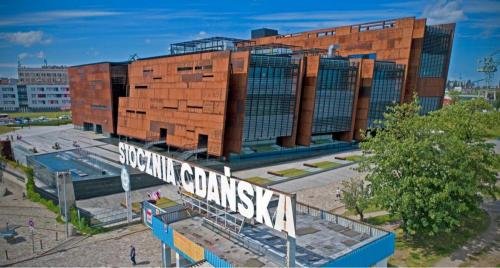
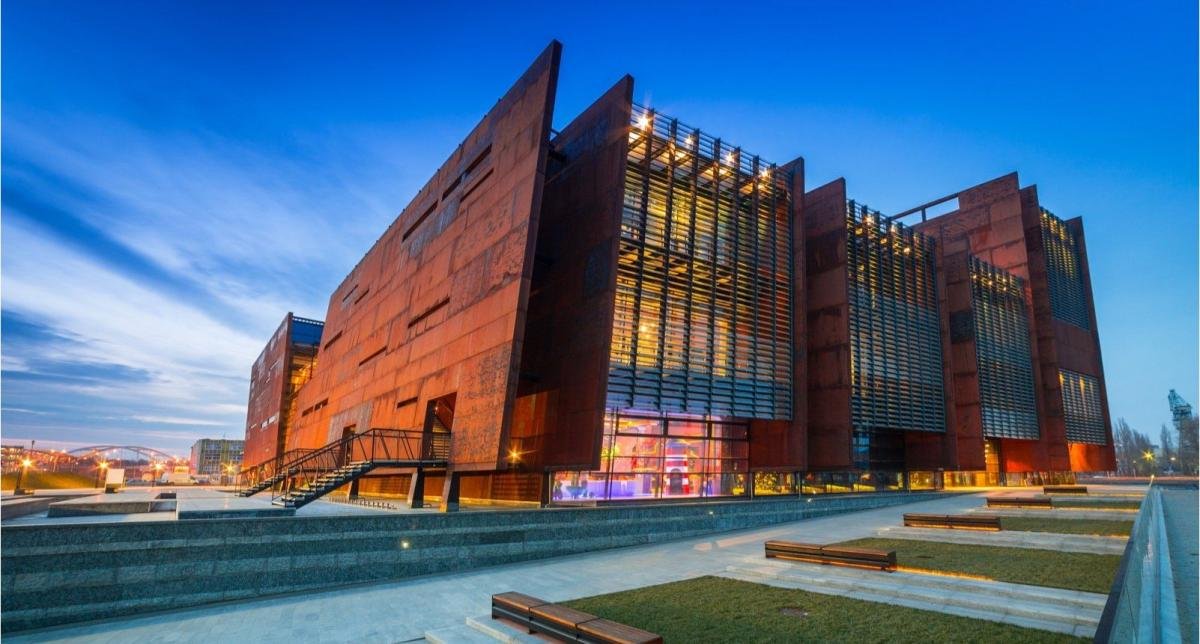
- European Solidarity Centre: Seniors over the age of 65 can purchase a discounted ticket for 20 PLN, compared to the regular price of 30 PLN. This museum and cultural center are dedicated to the history of the Solidarity movement and Poland's struggle for democracy.
- Museum of the Second World War: Seniors aged 60 and older are eligible for discounted tickets at 23 PLN, with the standard adult price being 25 PLN. This museum offers an in-depth look at Poland’s experience during World War II.
- Gdańsk Shakespeare Theatre: Senior citizens can attend performances at a discounted rate of 25 PLN, down from the regular price of 40 PLN. This theatre celebrates the city's historical connection to Shakespearean drama.
- Artus Court Museum: Seniors over 65 can enjoy a reduced ticket price of 8 PLN, instead of the usual 16 PLN. The museum showcases Gdańsk’s rich mercantile and social history.
Gdańsk offers a variety of attractions and museums that provide discounts for senior citizens. Here is a list with some suggestions:
Gdańsk is a vibrant and historic city on the Baltic coast of Poland, offering numerous accessible attractions and activities for visitors with disabilities.
Gdańsk offers a wide range of accessible attractions, services, and facilities to ensure a comfortable and enjoyable visit for travelers with disabilities. From historic sites to modern museums and beautiful parks, the city is dedicated to providing an inclusive experience. For more detailed information and planning resources, visitors can explore the offerings on the International Social Tourism Organisation's website and local accessibility guides.
Practical Tips for Visiting Gdańsk as a Traveler with Disabilities
Planning a trip to Gdańsk can be an exciting experience, and with proper preparation, visitors with disabilities can enjoy a seamless and enjoyable visit. Here are detailed practical tips to help ensure a safe and accessible journey:
1. Research and Planning
1.1. Pre-Trip Research
- Attractions: Before traveling, research the accessibility features of the attractions you plan to visit. Websites of major museums and landmarks often provide detailed information about their accessibility options.
- Accommodations: Look for hotels that offer accessible rooms and facilities. Websites like Booking.com and TripAdvisor have filters for accessibility features.
- Transportation: Familiarize yourself with the accessible transport options available in Gdańsk, including buses, trams, and trains.
1.2. Booking in Advance
- Accommodation: Reserve your hotel room well in advance to ensure availability of accessible rooms.
- Transportation: Book accessible taxis or transportation services ahead of time, especially during peak travel seasons.
1.3. Accessibility Apps and Websites
- Use apps and websites dedicated to accessible travel to find the best routes and services. Apps like Wheelmap can help locate accessible places.
2. Navigating the City
2.1. Public Transportation
- Features: Gdańsk's public transport network includes low-floor buses and trams with designated spaces for wheelchairs. Audio-visual stop announcements help those with visual or hearing impairments.
- Tickets: Purchase tickets in advance or use mobile apps to avoid queues. Ensure you have a valid pass, as inspectors frequently check tickets.
2.2. Accessible Taxis
- Services: Several taxi companies offer vehicles equipped to handle wheelchairs. Specify your need for an accessible vehicle when booking.
- Booking Tips: Use the phrase “na wózek inwalidzki” (for wheelchair) to ensure the correct type of vehicle is dispatched.
3. Accommodations
3.1. Hotel Selection
- Accessibility Features: Look for hotels that offer features such as roll-in showers, grab bars, and wide doorways. The Hanza Hotel is one such example in Gdańsk.
- Location: Choose centrally located hotels to minimize travel time to major attractions and ensure easy access to public transportation.
3.2. Communication
- Special Requests: When booking, communicate any special needs or requests directly with the hotel to ensure your room is properly equipped.
4. Dining and Entertainment
4.1. Restaurant Accessibility
- Accessible Options: Many restaurants in Gdańsk have made efforts to become more accessible, including Mandu Pierogarnia, which offers ramps and accessible restrooms.
- Reservation: Make reservations and inquire about accessibility features. Some restaurants may need advance notice to prepare accessible seating.
4.2. Cultural and Recreational Activities
- Accessible Paths: Many cultural sites, such as the European Solidarity Centre and Oliwa Park, have accessible paths and facilities. Plan your visits to these places to ensure a fulfilling experience.
5. Health and Safety
5.1. Emergency Contacts
- Emergency Numbers: Know the local emergency number (112) and the locations of nearby hospitals.
- Medical Facilities: Research medical facilities and pharmacies near your accommodation. Some hotels may also provide information on nearby medical services.
5.2. Mobility Equipment Rental
- Rental Services: If you require mobility aids, several services in Gdańsk offer rentals of wheelchairs, scooters, and other equipment. It’s advisable to arrange these rentals in advance.
6. Language and Communication
6.1. Learning Key Phrases
- Basic Polish: Learning a few key phrases in Polish can be very helpful. For example, “Proszę o pomoc” means “Please help.”
- Language Apps: Use translation apps to assist with communication in restaurants, hotels, and shops.
6.2. Local Assistance
- Friendly Locals: Poles are generally hospitable and willing to assist. Don’t hesitate to ask for help if needed, especially from younger people who are more likely to speak English.
Below you can find some listings of tourist attractions, sights, restaurants etc. that are easily accessible.
Florence with a dog
Florence is a dog-friendly destination!
What to do in Florence with your dog
Check out our recommendations


